








How VCT works

Carbon offsetting, in the exact quantity you need.

Verified Carbon Tokens (VCT) make carbon offsetting accessible in fractional quantities, backed by high-integrity carbon credits from leading carbon registries globally.

Businesses select the quantity required, while Verdana handles end-to-end fulfilment.

From carbon
credits to

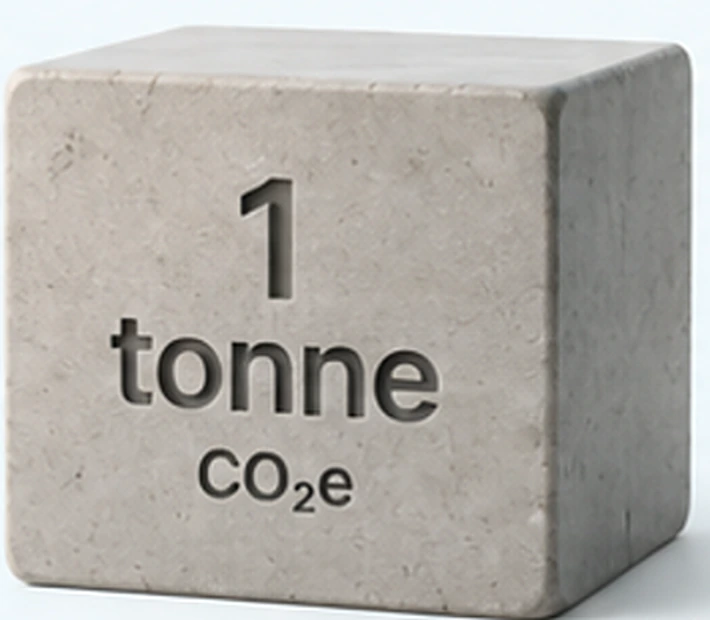
A conventional carbon credit represents one tonne (1,000 kg) of CO₂e reduced or removed.

Through Verdana’s tokenization platform, VCT makes carbon credits accessible in smaller quantities, with 1 VCT representing 1 kg of CO₂e, while maintaining traceability to the underlying credits.

  1. CARBON PROJECT

    A verified project reduces or removes CO₂e from the atmosphere.

    Step 1, Carbon project: a verified project reduces or removes CO₂e from the atmosphere.
  2. CONVENTIONAL CARBON CREDIT

    1 carbon credit = 1 tonne (1,000 kg) of CO₂e

    Step 2, Conventional carbon credit: 1 carbon credit equals 1 tonne (1,000 kg) of CO₂e.

    1,000 kg of CO₂e

  3. VERIFIED CARBON TOKEN (VCT)

    1 VCT = 1 kg of CO₂e

    Step 3, Verified Carbon Token: 1 VCT equals 1 kg of CO₂e.

    1 kg of CO₂e

Simple example

Traditional carbon credit

1000kg

1 carbon credit = 1 tCO2e

But you need to offset

25kg

CO2e only = 25 units of VCT

With

  1. 01

    Purchase 25 kg CO2e equivalent of VCT

  2. 02

    Verdana allocates the corresponding underlying carbon-credit quantity

  3. 03

    Verdana manages the relevant carbon-credit retirement process

  4. 04

    Your allocation is linked to supporting retirement evidence

Sunlight filtering through trees onto moss-covered rocks in a forest

What backs a ?

A curated portfolio of high-integrity carbon credits sourced from leading registries worldwide.

VCT is backed by carbon credits sourced from leading international carbon registries and selected by Verdana based on defined eligibility and quality criteria.

Verdana evaluates the underlying credits, including their applicable standards, project characteristics, vintages and verification status, to determine their suitability for VCT.

By managing the sourcing, selection and allocation of eligible credits, Verdana provides businesses with access to a diversified carbon-credit portfolio without requiring them to navigate individual projects and registries independently.

Why

Precise — Offset according to business requirements

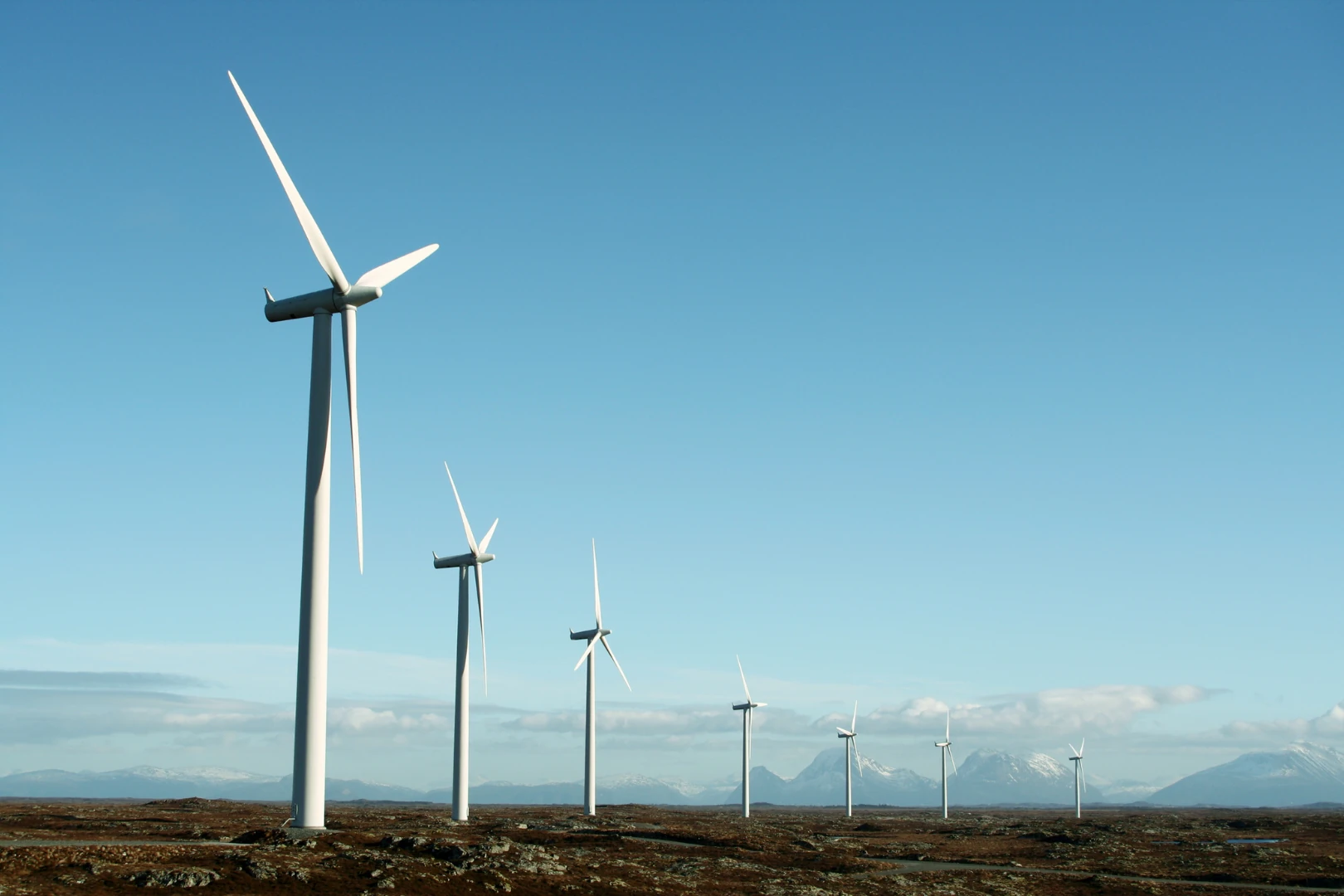
VCT makes carbon credits accessible in fractional quantities, including quantities below one tonne, so each allocation can match the exact quantity required.

Wind turbines stretching across open land beneath a blue sky

Transparent — Clear visibility of the underlying credits

Verdana selects curated carbon credits and preserves their project identity, maintaining a clear connection between each allocation and its source.

Solar panels above green vegetation with a wind turbine in the morning mist

Auditable — Documented allocation and retirement evidence

Digital records connect each allocation to the underlying credits and corresponding retirement evidence, providing a traceable record of carbon offsetting activity.

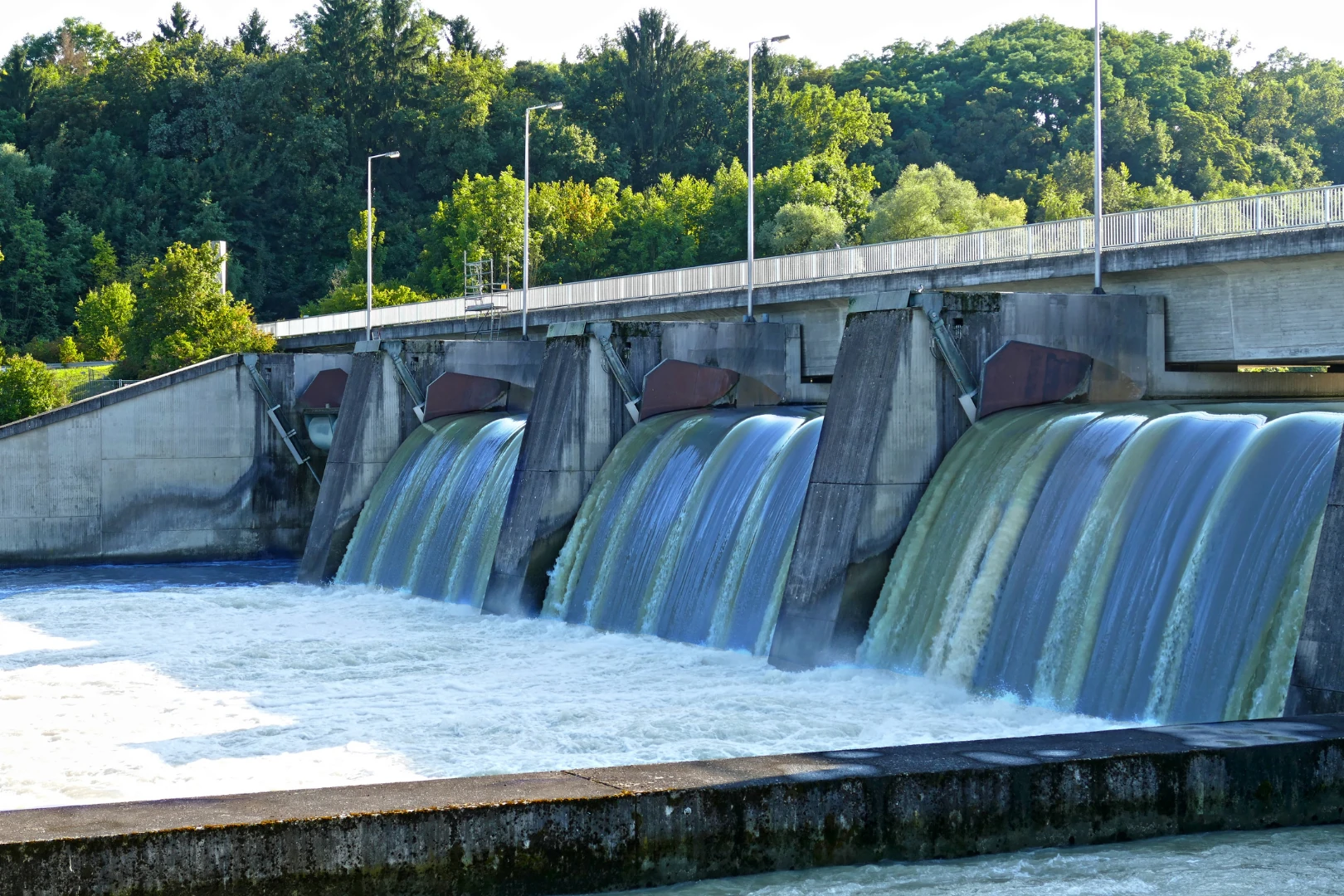
Water cascading over a concrete spillway with trees along the riverbank

A simpler process, managed by Verdana

Verdana handles end-to-end fulfilment, from credit sourcing and allocation to retirement and supporting records, removing the need for businesses to source individual credits or manage registry processes independently.

Modern white campus buildings rising above leafy trees beneath a blue sky

in Practice

Carbon offsetting can be applied to a product, a portfolio company, a business event and many other products. VCT makes the required quantities accessible, while Verdana handles end-to-end fulfilment and maintains the connection to underlying carbon credits and retirement evidence.

FMCG brands

Connect each product to traceable carbon action.

For consumer goods brands, carbon-offset quantities can be assigned to specific products while managing fulfillment across production batches. Brands measure product footprints, define offset quantities, and arrange VCT allocations. A QR code on packaging links consumers to footprint details, addressed quantities, related projects, and retirement evidence.

Illustrative example

A coffee brand allocates 0.42 kg CO2e per pack across a batch of 100,000 packs—a total of 42 tonnes CO2e.

Verdana manages the corresponding carbon credit fulfilment and links the product allocations to the batch’s supporting retirement records.

The business value

Make carbon action visible at the point of purchase, with clear information about the quantity funded and the evidence supporting it.

Fund managers

Coordinate carbon action across portfolio companies.

After reviewing its emissions report, a fund chooses 100 tonnes CO2e for a carbon-offset program. Verdana manages the VCT allocation and carbon-credit retirement, providing the fund with project details, transaction records, and retirement evidence for reporting and investor communication.

Illustrative example

Three portfolio companies select allocations of 20, 35 and 45 tonnes CO2e.

The fund manager coordinates a 100-tonne programme, with each company’s allocation separately identified and linked to its underlying credits and retirement evidence.

The business value

Coordinate procurement through one managed programme while retaining company-specific records for review and investor communications. Gross emissions and carbon-credit retirements remain separately reported.

Conferences and business events

Connect an event’s carbon footprint to documented retirement.

Event organizers can create a carbon-offset program by defining the event's footprint, which includes venue energy, catering, and attendee travel. After measuring emissions and implementing reduction strategies, the organizer determines how much to offset. Verdana oversees the carbon-credit allocation and retirement, providing records for the event report.

Illustrative example

A conference identifies 18.6 tonnes CO2e within its assessed boundary for offsetting.

The organiser arranges the corresponding VCT allocation and includes the underlying project information and retirement evidence in its post-event report.

The business value

Give sponsors, attendees and procurement teams a clear record of the emissions assessed, the quantity offset and the evidence supporting the activity.

Exact quantities.
Traceable credits.
Documented retirement.