From carbon requirements to fulfilment

Carbon
commitments require
documented action.

Businesses must track emissions, target reductions, and back offsets with traceable credits and retirement evidence to make their climate action transparent and easy to review.

Where precise, transparent and auditable
carbon information matters

Customer Expectations

  • Carbon Data Integration: Embed carbon data into products or services.
  • Customer Transparency: Clearly communicate the emissions addressed and the actions taken.

Supply-Chain Pressure

  • Supplier Engagement: Share emissions data to facilitate collaboration with suppliers.
  • Clear Separation: Record carbon offsets separately from operational and supply-chain emissions reductions.

Access to Capital

  • Sustainability Criteria: Lenders and investors assess businesses against specific sustainability metrics.
  • Data over Credits: Reliable carbon data is essential; purchasing carbon credits alone does not guarantee access to financing.

Claims & Reputation

  • Clear Scope: Support carbon-related claims with clearly defined boundaries and verifiable evidence.
  • Traceable Proof: Substantiate claims with emissions quantities, underlying carbon credits, and retirement records.

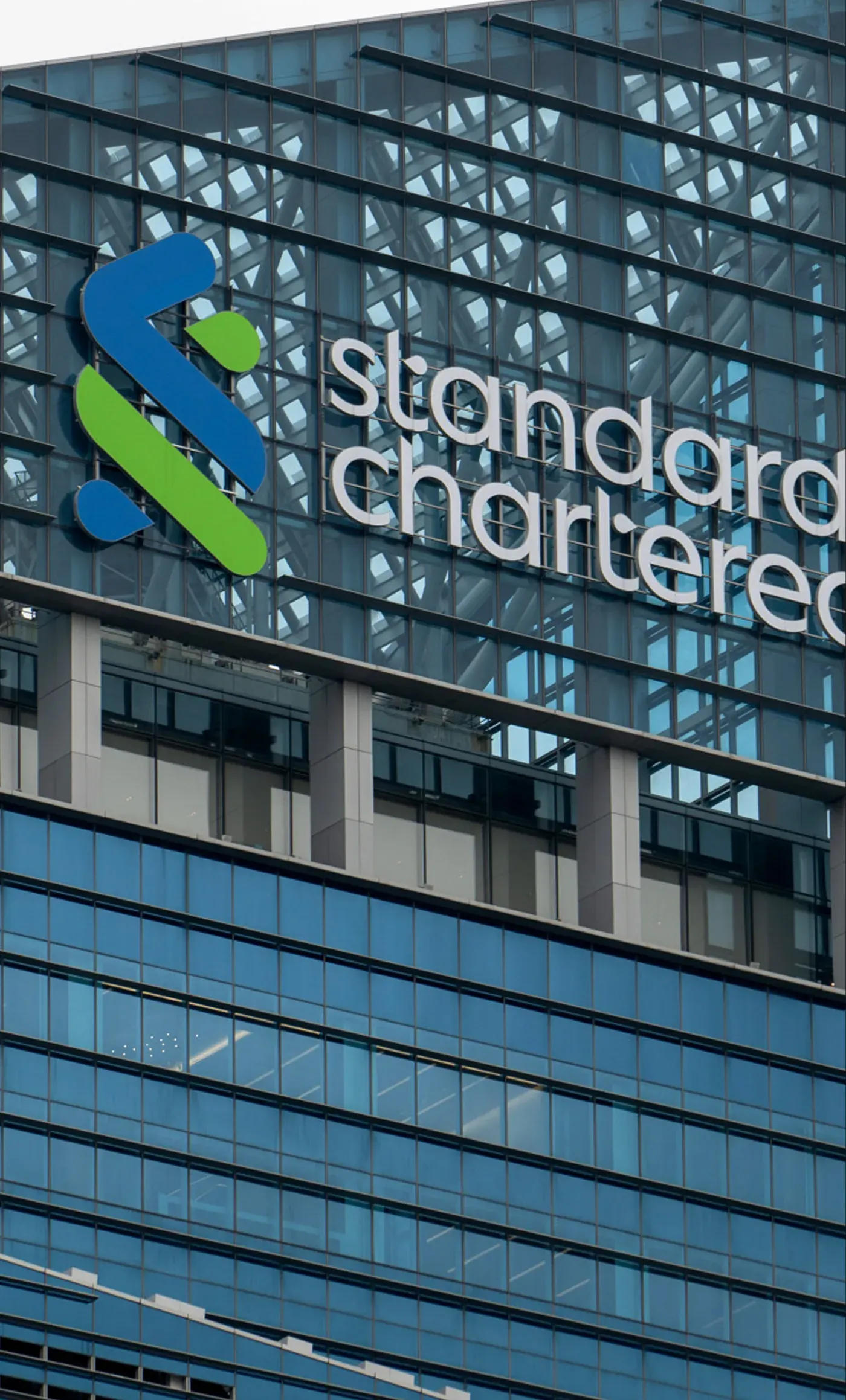
Standard Chartered, United Kingdom

Purchasing and retiring credits for operational emissions

Standard Chartered disclosed that it purchased and retired carbon credits to cover residual operational emissions for 2025, together with emissions associated with air travel. Its disclosure identifies the underlying projects and registries.

The takeaway

Carbon-credit purchases can be linked to defined business activities, with the quantity and retirement recorded in annual/stakeholder reporting.

Source

Standard Chartered Voluntary Carbon Markets Disclosure, updated 24 March 2026.

Standard Chartered logo on a glass office tower
Interior of a LEGO store with product displays

LEGO Group, Denmark

Purchasing credits to support carbon removal innovation

LEGO purchases carbon credits to support nature-based and technology-based carbon-removal projects. Its 2025 annual report records 25,000 credits retired, while its programme helps the company assess different removal approaches.

The takeaway

Carbon-credit purchases can help businesses support emerging climate solutions and build practical knowledge for future decisions.

Source

LEGO Annual Report 2025, page 25

DHL, Germany

Making carbon offsetting part of the service

DHL purchases carbon credits to support its customer-facing GoGreen offsetting services. Its 2025 annual report records the retirement of credits covering 800,000 tonnes of CO2e associated with 2024 emissions.


The takeaway

Carbon offsetting can become part of the service a business offers its customers.

DHL cargo aircraft and delivery van

Where fits

VCT provides fractional access to selected high-integrity carbon credits, with end-to-end fulfilment managed by Verdana. Project-level traceability and supporting retirement records help businesses document their offsetting activity for their stakeholders.